26 November 2026
What to check before booking a helicopter flight over Barcelona
Presented by @helicoptertourbarcelonatimes
A flight over Barcelona looks simple from the outside: choose a route, pick a date, and turn up. The details matter more than many people expect. Weather, route choice, meeting points, luggage rules, and the way the flight is described can all change the experience. Before reserving a seat, it helps to read the offer carefully and compare it with the kind of day you want.
The route and what you will actually see
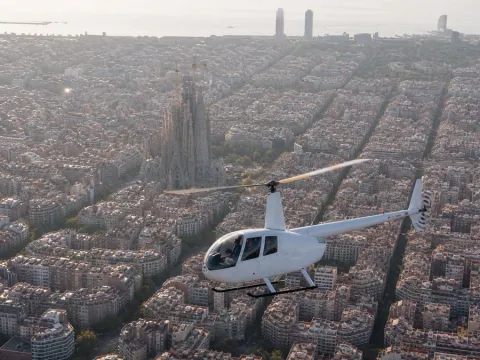
Start with the flight route, not the aircraft or the photographs. A short circuit near the coast can feel very different from a longer route that covers the city and the sea. Read the route description as a sequence of places rather than a list of famous names. If the coast matters most to you, look for clear mention of the Barcelona coastline and the Port of Barcelona. If landmarks are the point, check whether the route includes the Sagrada Familia or Montjuïc Castle from the air.
Be realistic about what can be seen from a helicopter. Some buildings are best viewed from a distance, and the angle changes quickly. A route that passes near a landmark is not the same as a slow view of it. If a particular sight is the reason for booking, ask whether the route normally includes it and whether visibility can affect it. That question is practical, not fussy. Haze, low cloud, and strong glare can change an aerial view even when the flight itself goes ahead.
Flight duration and the pace of the day
Flight duration is often quoted as time in the air, but the full visit takes longer. Allow time for arrival, check-in, safety briefing, boarding, and leaving the site afterward. A brief flight can still be memorable, yet it may feel rushed if you have built the whole morning around it. On the other hand, a longer route may not suit a tight schedule or a day with other bookings.
Check whether the quoted duration is an estimate or a fixed promise. Air traffic, weather, and airport flow can affect timings. If you need to be somewhere at a set time, leave a generous gap. The same applies if you are planning a meal, a museum visit, or a transfer after the flight. The flight is only one part of the day, and a poorly placed slot can make an otherwise good experience feel strained.
The meeting point and helipad details
One of the most common sources of confusion is the meeting point. A helicopter flight may not begin at the place shown in a city photograph. Check the exact helipad or departure address, and confirm how to get there. Look at the surrounding streets, the nearest transport links, and how much walking is involved. This is especially useful if you are travelling with children, older passengers, luggage, or limited time.
Ask what happens if you arrive late. The answer may depend on the operator and the schedule, but it is better to understand the rule before the day. Also check whether the return point is the same as the departure point. Some routes are circular, while others may involve transport between locations. That detail affects both planning and cost, even when the flight itself looks identical in a listing.
What is included in the price
When comparing options, read the inclusions line by line. A flight may appear similar to another, yet the total experience can differ. Some offers focus only on time in the air. Others may include a briefing, photographs, transport, or entry to a viewing area. The value of each extra depends on what you want, so avoid assuming that a longer list is always better.
Check the passenger rules too. Weight limits, age limits, and seat allocation can affect who can join and how comfortable the flight feels. If two people want to sit together, say so before booking where possible. If someone has mobility needs, ask whether the boarding area can be reached without difficulty. These questions prevent awkward decisions on the day.
Helicopter Tour Barcelona is the kind of search phrase that can bring up several different offers, so compare like with like. Look at the route, duration, departure point, group size, inclusions, and cancellation terms in the same way for each option. A cheap-looking seat is not necessarily the best choice if the route is short or the meeting point is hard to reach. A higher-priced option is not automatically better either. The right choice is the one that matches your priorities.
Weather, visibility, and rescheduling
Weather deserves close attention because it shapes the whole flight. Clear skies are not the only factor. Wind, cloud base, rain, and visibility all matter. A flight over a city needs enough clarity for the pilot to operate safely and for passengers to see the route. If conditions are poor, the flight may be delayed or changed.
Before buying, read the policy for bad weather. Check whether the date can be moved, whether another time can be offered, and what happens if you cannot travel on the replacement date. A fair policy should be clear and easy to understand. Be cautious of wording that leaves every decision vague. Good planning does not remove uncertainty, but it makes the outcome easier to manage.
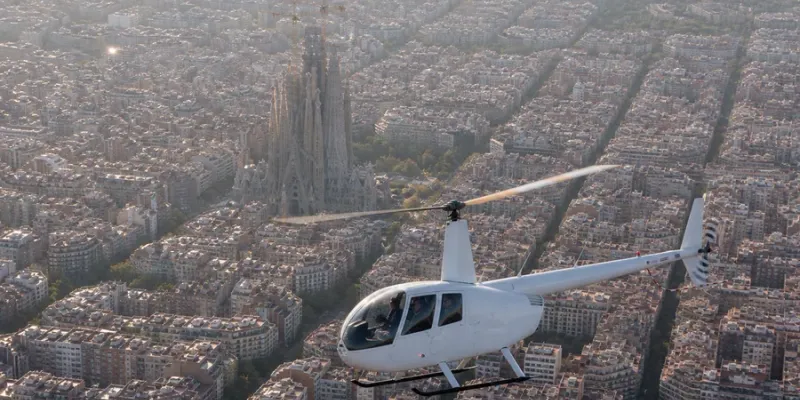
Season also plays a part. Summer light can be bright and clear, but glare may affect photographs. Winter may bring sharper air and quieter skies, yet the window for good conditions can be narrower. If photography is important, think about the direction of light and the time of day. A late afternoon flight may give a warmer view of the city, while a midday flight can flatten detail. There is no single best time for every traveller, so match the slot to the reason for booking.
Safety information and operator credentials
Safety should be checked calmly and clearly. A reputable flight provider will give a proper briefing before boarding and explain the main rules passengers need to follow. Pay attention to instructions about seat belts, movement inside the aircraft, and what to do during boarding and exit. These details are not formalities. They help the flight run smoothly and keep everyone aware of what to expect.
It is also reasonable to check that the operator holds the relevant aviation approvals required for passenger flights in the region. You do not need to become an expert in aviation regulation. Look for clear company details, aircraft information, and a professional explanation of the flight. If basic questions are answered vaguely, treat that as a reason to pause. The same applies to insurance and passenger cover. Ask what is covered and read the wording rather than relying on a general claim.
Photographs and reviews can help with atmosphere, but they should not replace practical checks. A polished gallery tells you little about safety culture or schedule reliability. Use reviews to spot repeated themes, such as unclear meeting instructions or confusion over timings, then verify those points directly. One unhappy comment may be an isolated case. The same problem repeated many times deserves attention.
Baggage, clothing, and personal comfort
Helicopter flights have limited space, so baggage rules are worth checking before you leave. Large suitcases are usually unsuitable, and loose items need to be secured. Ask what may be brought on board and where bags can be kept during the flight. If you are coming straight from the airport or heading there afterward, plan storage in advance rather than trying to solve it at the last minute.
Clothing should suit the season, the wind, and the time of day. It can feel cooler at height than on the street, even in warm weather. Comfortable shoes are sensible, especially if the departure point involves a walk across open ground. sunglasses can help with glare, and a phone or camera should be secured so it cannot drop during boarding or flight. Loose hats and scarves may need to be removed or held carefully when the rotor is turning.
If you are sensitive to motion, choose your seat and route with that in mind. A smooth flight still involves turns, changes in speed, and a different sense of height from a normal view. Passengers who feel uneasy should avoid heavy meals beforehand and speak up before boarding if they need reassurance. The aim is to enjoy the aerial view without turning the flight into a test of endurance.
Booking terms and final checks
Read the booking terms before paying, especially the sections on changes, cancellations, and no-shows. Plans shift, and a clear policy makes a difference. Check what information you need to provide at booking, such as passenger names, contact details, and approximate weights. Missing details can delay check-in, even when the booking itself is valid.
Keep confirmation details somewhere easy to find on the day. Note the departure point, the time you should arrive rather than the time the flight starts, and the name used for your booking. If the provider sends updated instructions, read them. Local conditions and schedules can change, and the latest message may matter more than an older confirmation.
A good decision comes from matching the offer to your priorities. Decide what matters most: the route, the price, the duration, the departure point, or the flexibility. Then compare options against those points and ignore the rest. A flight over Barcelona is a short experience with many moving parts. Careful checks before buying make the day calmer, clearer, and far more likely to match the view you pictured.